
Two Months as a Divemaster in Koh Tao: How to Accidentally Become an Island Local
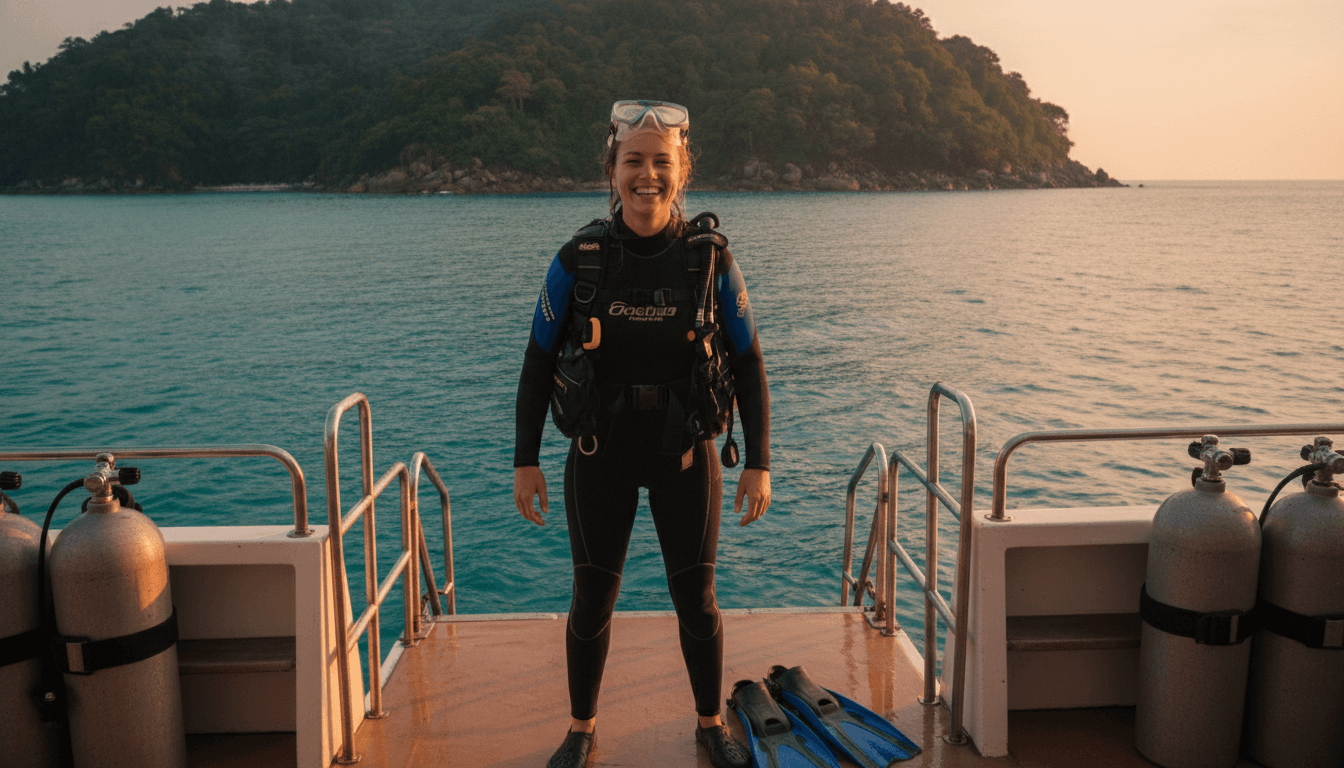
The Island That Swallows People Whole
You've heard the stories. Someone rocked up to Koh Tao for a long weekend, got their Open Water cert, and then just... didn't leave. Two months later they're wearing the same pair of board shorts they arrived in, they know the name of the guy who runs the 7-Eleven, and they're seriously considering whether they need their old life back.
This is not an accident. Koh Tao is specifically designed — by geography, by dive culture, by the price of a Chang — to make leaving feel unreasonable. And if you're going to get stuck somewhere, getting stuck here as a Divemaster trainee is one of the better ways to do it.
Here's how to actually make it work.
---
Why a Divemaster Course, and Why Here
The Divemaster (DM) certification is the first professional level of PADI diving — the point where you go from passionate diver to someone who can legally assist instructors, lead certified divers, and work on boats. It's not a shortcut into a career if you're not serious, but it's an extraordinary way to spend two months if you are.
Koh Tao is one of the cheapest and most condensed places on earth to do it. The dive school density on this tiny island (roughly 21 square kilometres) is absurd — there are over 50 dive operations, which means competition keeps prices honest. A full Divemaster course including all materials, gear rental, and your PADI registration typically runs £600–£900 depending on the school, compared to £1,500+ in Europe or Australia.
The dive sites are also legitimately excellent for training. Chumphon Pinnacle, HTMS Sattakut wreck, Shark Island — you'll log your required dives across varied environments, depths, and conditions without ever getting on a boat for more than 40 minutes.
---
Choosing a Dive School (Without Getting Played)
This is where most people go wrong. You land, someone hands you a flyer, and you sign up before you've even had a meal.
Don't do that.
Spend your first two or three days visiting schools, doing a free try-dive or a discovery dive (around £30–£40) at one or two of them, and talking to current DM students. The students will tell you everything. Which instructors are actually good at teaching versus just getting through the paperwork. Whether the gear is maintained properly. How many students per boat.
Well-regarded schools on the island include Big Blue Diving, Crystal Dive, and Ban's Diving Resort — all long-established, all with proper infrastructure. That said, some of the smaller independent schools offer a more personal experience if you want to avoid being one of thirty students.
Ask specifically: how many Divemaster candidates do they take per intake? How many dives will you actually log? What's included if it takes you longer than expected to complete requirements?
---
What Two Months Actually Looks Like
The DM course itself requires a minimum of 40 logged dives before you start (check your logbook before you fly), plus you'll need to complete a Rescue Diver cert first if you don't already have it. That adds another week and around £200–£280 to your budget.
The DM programme itself takes roughly 6–10 weeks depending on scheduling, your dive school's intake rhythm, and — let's be honest — how many evenings you spend on Sairee Beach when you should be studying dive theory.
A typical week runs: morning boat dives, afternoon skills practice or assisting on courses, evening theory or administration. By week three you'll be helping nervous Open Water students breathe underwater for the first time, which is simultaneously the most rewarding and most nerve-testing thing you'll do on the course.
You will have free time. Use it well.
---
Living on the Island Without Haemorrhaging Money
Koh Tao is not cheap by Thai island standards — it's remote, everything is shipped in, and the tourist economy knows what it's doing. But it's manageable if you're not staying in a beach resort.
Accommodation: Look for monthly rates in Mae Haad or the inland roads behind Sairee — bungalows and small guesthouses rent for £250–£400/month for a private room with air-con. Most dive schools offer discounted or free accommodation as part of DM packages, so negotiate this upfront.
Food: Eat at the local spots away from the beachfront. A proper Thai meal — pad kra pao, khao man gai, tom yum — costs £1.50–£3 at the market stalls near the pier and the small spots on the roads between Mae Haad and Sairee. Budget £15–£20/week on food if you're disciplined about it.
Transport: Rent a scooter for around £50–£60/month. The island is small enough that you'll learn every road within a fortnight, including the genuinely terrifying hill road on the west side that everyone stalls on at least once.
Nightlife: Sairee Beach does not sleep. It also does not need to be expensive — Fishbowl Bar and the beach bars run happy hours that are exactly what they sound like. Budget accordingly and don't be the person who blows their monthly food budget in one week.
A realistic all-in monthly budget, excluding the course fee: £600–£800. Two months total (course + living) can be done for £2,000–£2,500 if you're sensible. Less if your school includes accommodation.
---
The Part Nobody Mentions: The Social Infrastructure
Here's the thing about spending two months on a tiny island doing an intense shared experience — you will meet people. Properly. Not the "let's grab a drink before we both disappear to different countries tomorrow" version of travel socialising. The kind where you're on the same boats every day, you're learning together, you're helping each other through the stressful bits, and by week six you've made plans for the next trip.
This is exactly the kind of trip that works better when you start with the right people already in the mix. If you're thinking about doing your DM on Koh Tao and don't want to rock up solo and hope for the best, posting a Mission on Travel Crew is the sensible move — there are almost certainly others planning the same thing around the same window, and starting the course with even one person you already vaguely know makes the first week considerably less strange.
---
When to Go
November to April is dry season and the best visibility — often 20–30 metres at the better sites. June to October brings some choppiness and reduced visibility, and a few dive sites close periodically in rough weather, which is frustrating when you're trying to log dives.
If you're planning a two-month stint, arriving in early December gives you the full dry season peak, avoids the frantic Christmas week prices, and means you're finishing up around February — well before the heat becomes genuinely punishing.
---
The Honest Summary
Koh Tao as a Divemaster base works because the training is excellent value, the dive sites are genuinely good, the infrastructure for long-stay travellers is solid, and the island is small enough that you stop being a tourist surprisingly fast. You'll leave with a professional qualification, a logbook with 60+ dives in it, and the very real possibility that you'll be back.
Probably for longer next time.
Right, you're sold. Now go do it.
Find people already heading the same way, or publish your own trip and let them find you.